
The allure of royal diamonds transcends mere aesthetics. Their historical significance is deeply intertwined with power and legacy.
Each diamond carries stories of monarchs and empires, reflecting exceptional quality and craftsmanship. The meticulous process of cutting and polishing transforms these stones into mesmerizing jewels.
As one examines the journey of these diamonds, the question arises: what secrets do they hold, and how do they continue to shape modern culture?
Although diamonds have been cherished for centuries, royal diamonds hold a unique place in history, symbolizing power, wealth, and prestige. These exquisite gems were often reserved for monarchs and high-ranking nobility, serving as visual representations of their authority and divine right to rule.
Countries across the globe, from Europe to Asia, have historically used royal diamonds in crowns, scepters, and other regalia, reinforcing their significance within ceremonial contexts. The origins of royal diamonds often trace back to ancient trade routes, where they were sought after for their rarity and beauty. Their allure transcended mere decoration; they were believed to possess protective and healing properties.
In addition, the history of royal diamonds is intertwined with tales of conquest, betrayal, and legacy, as dynasties often used these stones to solidify alliances or assert dominance. Consequently, royal diamonds remain not only beautiful artifacts but also powerful symbols of historical narratives.
Iconic royal diamonds have captivated the world with their remarkable stories and rich heritage. Among them, the Koh-i-Noor, originally from India, has a tumultuous history marked by conquest and intrigue, eventually becoming part of the British Crown Jewels.
The Hope Diamond, with its deep blue hue, is infamous for its curse, said to bring misfortune to its owners. Another notable gem, the Cullinan Diamond, is the largest gem-quality diamond ever discovered, split into several stones, including the Great Star of Africa, now part of the British Crown Jewels.
The Imperial State Crown, adorned with the Stuart Sapphire, has its own legend, believed to have been worn by King Charles II. Each diamond carries a narrative of power, loss, and opulence, reflecting the legacies of those who once possessed them, forever intertwining royalty with the allure of these magnificent stones.

Mastering the art of diamond cutting requires a blend of precision, skill, and an intimate understanding of light. Each diamond possesses unique characteristics, which skilled artisans must assess to enhance its brilliance. The cutting process, often described as a delicate dance, involves transforming rough stones into dazzling gems through meticulous shaping and polishing.
Expert cutters utilize various techniques, such as faceting, to maximize a diamond's ability to refract and reflect light. The quality of the cut directly impacts the stone's visual appeal, influencing its sparkle and overall value.
Craftsmanship plays a significant role, as the cutter must balance technical knowledge with artistic vision, ensuring that the final product showcases the diamond's inherent beauty. This intricate process not only demands years of training but also a passion for the gemstone, elevating each piece into a work of art that resonates with those who appreciate the allure of royal diamonds.
Initiating the journey from mine to crown, diamonds undergo a meticulous mining and extraction process that reveals their hidden brilliance. The process typically begins with exploration, where geologists identify potential diamond-rich deposits. Once located, the mining method-either open-pit or underground-is selected based on the deposit's depth and location.
After excavation, the rough diamonds are separated from surrounding materials, often using techniques like crushing and screening. This stage requires careful handling to prevent damage. Once extracted, the diamonds are sorted by size, quality, and potential.
The entire process demands significant skill and resources, reflecting the value of the gems destined for royalty. Ultimately, the mining and extraction process lays the foundation for the transformation of rough stones into exquisite treasures.
Transforming rough diamonds into radiant gems requires a delicate balance of artistry and precision. The journey begins with skilled gem cutters evaluating the stone's unique characteristics to determine the ideal cut.
Techniques such as the brilliant cut and emerald cut enhance the diamond's brilliance and fire, maximizing its visual appeal. Precision tools, including lasers and wheels coated with diamond dust, facilitate accurate shaping and polishing. Each facet is meticulously crafted to reflect light effectively, creating the dazzling sparkle that diamonds are renowned for.
The polishing process further refines the surface, eliminating any imperfections. Ultimately, this intricate craftsmanship elevates a simple rough stone into a stunning gem, fit for royalty and worthy of admiration in any setting.
As diamonds journey from the depths of the earth to the opulent settings of royal jewelry, their transformation involves careful consideration of both aesthetic and symbolic significance.
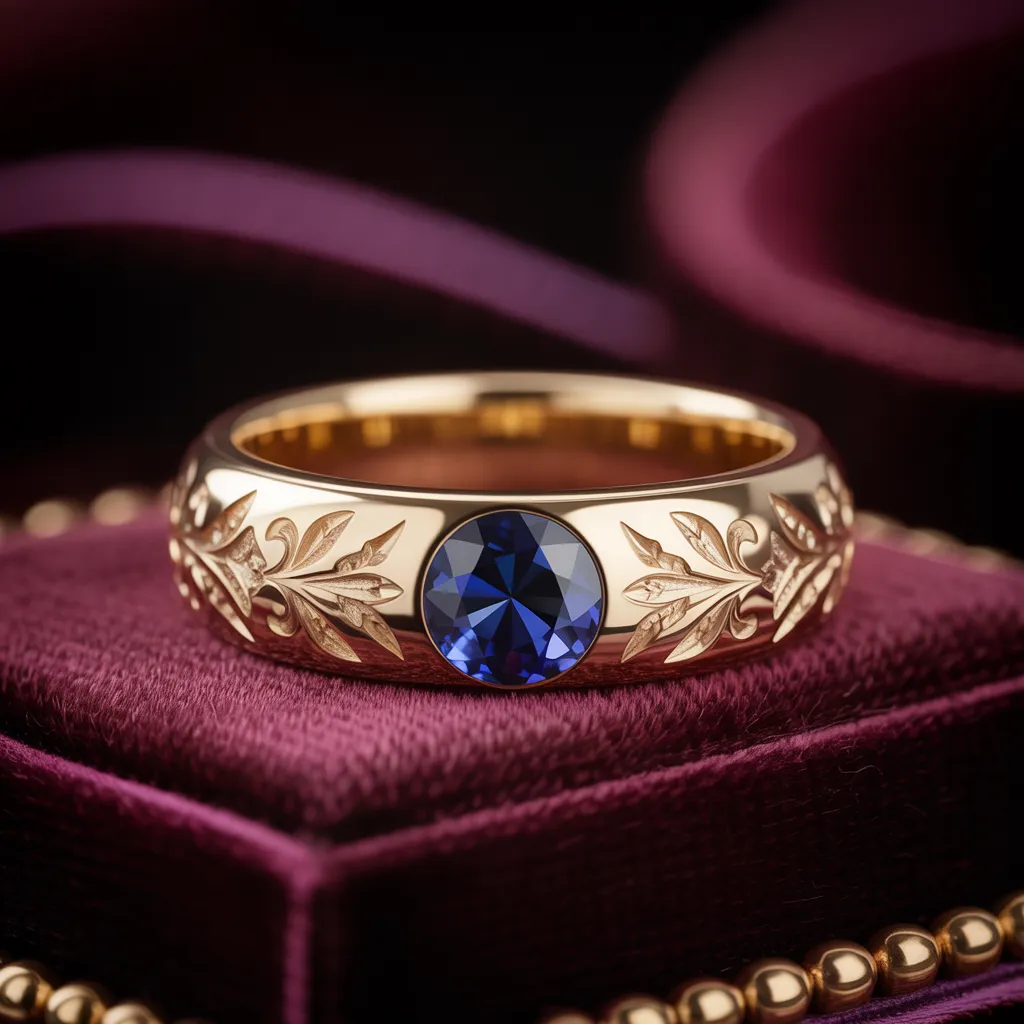
The setting of a diamond is not merely a framework; it serves to enhance the gem's brilliance while reflecting the culture and heritage of its wearer. Royal artisans meticulously select settings that complement the diamond's unique characteristics, whether through classic prongs or intricate bezel designs.
Each piece often incorporates additional gemstones or precious metals, creating a harmonious blend of elements. The choice of setting also signifies status and power, with specific designs historically linked to royal lineage. Ultimately, the setting elevates the diamond, making it a centerpiece of elegance and regality.

Yes, customization of jewelry pieces is often available, allowing individuals to select design elements, gemstones, and materials according to personal preferences. This process guarantees that each piece reflects unique tastes and styles for the wearer.
Royal diamonds offer unparalleled brilliance and clarity, setting them apart from other luxury gemstones. Their unique color and rarity enhance their appeal, making them a coveted choice for discerning buyers seeking exceptional quality and elegance.
Royal diamonds generally have lower resale value compared to traditional diamonds. Their market acceptance is still developing, and many consumers prioritize natural stones, impacting the overall demand and pricing for lab-created alternatives.